
Brick has been a favorite building material in Louisville for generations, and a well-built brick home can stand for a century or more. It earns its reputation for durability, but brick isn’t maintenance-free. The mortar between the bricks takes the brunt of the weather and wears out long before the bricks do, and moisture is the main enemy. Understanding what to look for lets you catch small problems before they become expensive repairs. Here’s how to care for a brick home, from the mortar joints to the chimney.
Inspect Your Brick Home Twice a Year
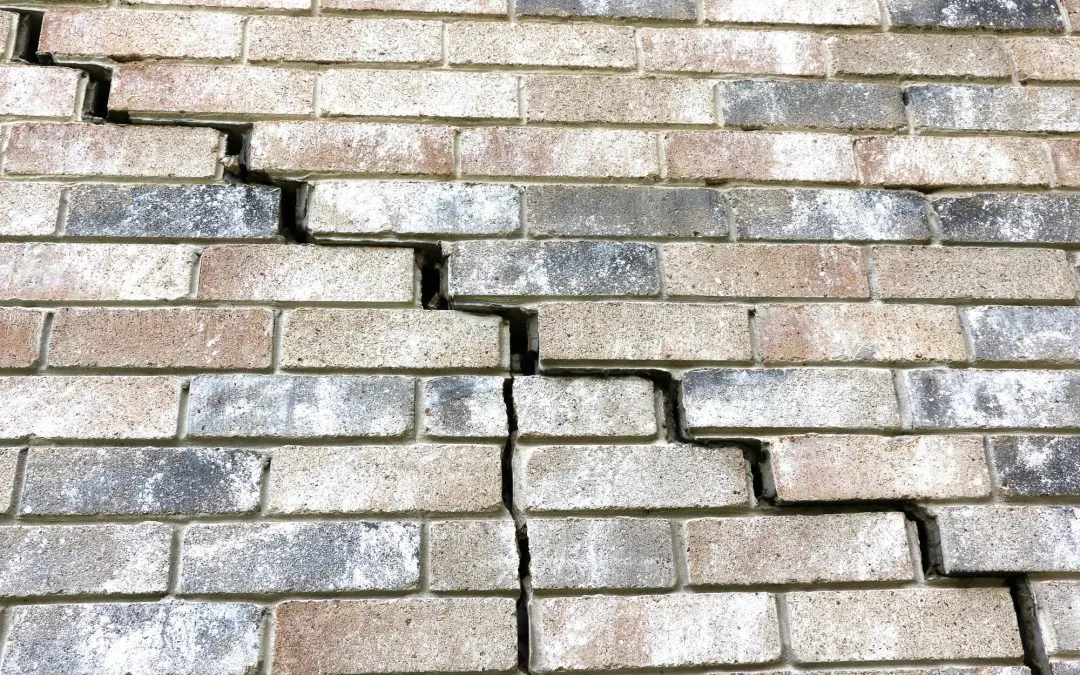
Walk the perimeter in spring and fall and look closely at the walls. Check for cracked, crumbling, or missing mortar, gaps around windows and doors, and loose or missing bricks. Look for spalling, which is when the faces of the bricks flake off, and efflorescence, a white powdery residue that signals moisture moving through the wall. Stair-step cracks that follow the mortar joints, especially near windows, doors, and the foundation, can signal settling. Pay special attention to the lower few feet of the wall, where splashing rain and snowmelt do the most harm. Inspect the lintels above openings for rust and sagging, check the chimney, and take photos each season so you can see whether changes are happening. Binoculars help you check chimney crowns, upper walls, and other areas you can’t easily reach from the ground.
Repoint Mortar Before It Fails
Most brick home problems start at the mortar. It’s meant to be softer than the brick and to wear first, and it typically needs attention every few decades. Repointing, also called tuckpointing, involves grinding out the old mortar to a proper depth and filling the joints with fresh mortar that matches. The mix matters a great deal. Older, softer bricks need a softer, lime-based mortar, because a hard modern Portland cement mix can trap moisture and damage the bricks. Matching the color and joint style makes repairs blend in, so keep a small sample of old mortar and brick for the mason. This work is best done by an experienced mason, not a general handyman. Ask to see samples of earlier work, and confirm that the mason will match the original mortar’s color, texture, and joint style.
Control Moisture to Protect a Brick Home
Water carries salts into brick and freezes inside it, which causes the flaking and cracking you see on neglected walls. Keep gutters clean and downspouts directed away from the foundation, and make sure the ground slopes away from the house. Check that the chimney cap is intact, and that flashing around windows and rooflines is sound. Keep sprinklers from spraying the wall. If you see efflorescence, brush it off dry, and find the moisture source. Avoid film-forming sealers on older brick, because they can trap water inside, and ask a professional about breathable water repellents. Look closely below windowsills, parapets, and chimneys, which are common places for water to enter the wall.
Clean and Protect the Surface Gently
A brick home looks best when it’s cleaned gently. Start with a soft brush and plain water, and use a mild detergent for stubborn dirt. Avoid sandblasting and high-pressure washing, which strip the hard, fired outer face of the brick and leave it vulnerable to water. Don’t use acid cleaners unless a professional recommends them. If you plan to add a window or vent, hire a mason, since cutting into brick can crack nearby masonry. Keep weep holes open, since they let moisture drain from behind the brick. Think carefully before painting brick, since paint traps moisture and is very difficult to remove later. Trim vines and shrubs that hold moisture against the wall or work their roots into the mortar. After cleaning, check the joints, since water can find cracks that dirt had been hiding.
Frequently Asked Questions (FAQs)
How often does mortar need to be repointed?
Often every twenty-five to fifty years, depending on exposure, the original mortar, and the quality of earlier repairs. Inspect joints regularly to decide when it’s time.
What is efflorescence?
A white powder left by salts as moisture evaporates from the brick or mortar. It signals that water is getting into the wall, so look for the source.
Is painting brick a good idea?
It’s a big decision, because paint could trap moisture and is very hard to remove. If you do paint, use a breathable masonry paint and prepare the surface carefully.
Can I pressure wash brick?
Only with very low pressure and a wide tip, if at all. A soft brush and plain water are safer, since high pressure can strip the protective face.
When are cracks in brick serious?
Stair-step cracks that widen, grow, or show one side shifted should be evaluated by a professional, particularly if they appear near the foundation.
Jones & Cooper Home Inspections provides home inspections to customers in the Metro Louisville area. Contact us to request our services.