
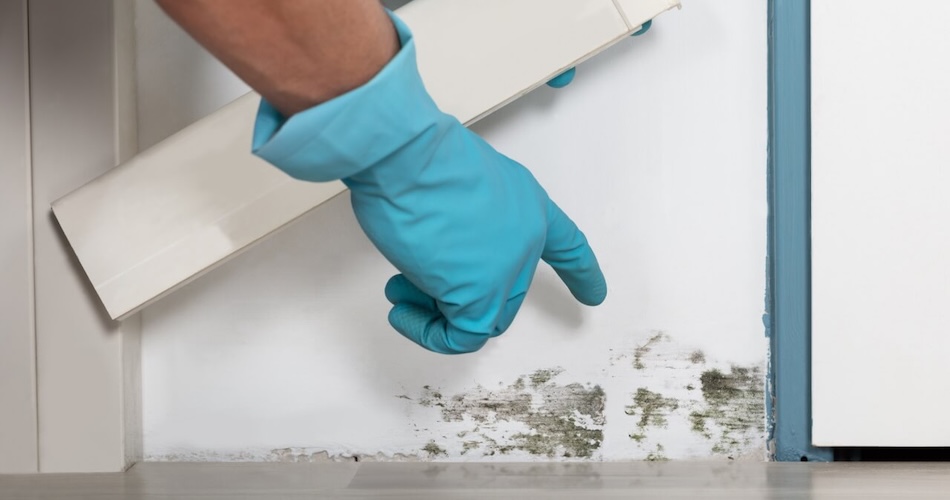
Mold doesn’t wait for an invitation. It moves in when conditions allow, grows silently in places you don’t often look, and becomes more expensive to address with every month it goes undetected. Knowing how to prevent mold isn’t complicated, but it requires understanding what mold needs to survive and consistently denying it those conditions.
What You Need to Understand to Prevent Mold Effectively
Mold requires three things to grow: a food source, the right temperature, and moisture. Food sources are unavoidable in a home. Mold feeds on wood, drywall, insulation, and virtually any organic building material. Temperature is similarly fixed. That leaves moisture as the one variable you can control. You can clean visible mold off a surface, but if the moisture conditions that produced it haven’t changed, mold comes back. Preventing mold means preventing the moisture, not just treating the growth.
Ventilation: The First Line of Defense to Prevent Mold
Inadequate ventilation is the most common underlying condition in residential mold problems. When humid air from cooking, bathing, and daily living has nowhere to go, it condenses on cooler surfaces, such as windows, exterior walls, and inside wall cavities, creating exactly the conditions mold needs. Bathroom exhaust fans are the most critical ventilation fixtures and among the most frequently inadequate or improperly installed. The fan must be rated for the bathroom’s square footage, vent to the exterior, and run during every shower and for at least 15 minutes afterward. A bathroom fan that vents into the attic simply moves the moisture problem from the bathroom to the attic.
Kitchen exhaust fans perform the same function for cooking moisture and should also vent to the exterior. In basements and crawl spaces a dehumidifier maintains the lower humidity levels that inhibit growth. Indoor humidity should remain between 30 and 50 percent throughout the home.
Address Water Intrusion and Plumbing Issues Quickly
Any ongoing moisture source creates conditions for mold that no amount of ventilation can fully compensate for. Slow plumbing leaks, the drip under the sink, and the toilet supply line that’s slightly loose introduce moisture continuously into areas that don’t dry quickly. Mold establishes behind vanities and inside wall cavities before there’s any visible evidence. Check under every sink monthly. A quick look with a flashlight takes 30 seconds and catches slow drips before they cause significant damage. Inspect areas around toilet bases, the washing machine connections, and the supply lines to the dishwasher with the same regularity.
Exterior water intrusion is the more serious form. Roof leaks, foundation infiltration, and failed window seals all allow water into structural assemblies where it’s difficult to detect and difficult to dry. Annual roof inspection, cleaning gutters, and maintaining caulk around exterior penetrations are the maintenance habits that prevent mold problems originating from outside the home.
Prevent Mold With Smart Building and Renovation Choices
Homeowners who are renovating have the opportunity to prevent mold through material choices that make the home structurally more resistant to moisture-related problems. Mold-resistant drywall uses fiberglass-faced paper or paperless construction that denies mold the organic food source that standard drywall provides. It’s appropriate in bathrooms, laundry rooms, basements, and any area with elevated moisture exposure.
Caulk around tubs, showers, and sinks deteriorates over time, creating gaps that allow water to penetrate behind finished surfaces. Refreshing caulk annually in wet areas is one of the simplest and most consistently effective ways to prevent mold from establishing in the spaces behind tile and around fixtures where it’s most commonly found.
Frequently Asked Questions (FAQs)
How do I know if I already have a mold problem I’m not seeing?
Musty odors in enclosed spaces like closets, basements, and under sinks are often the earliest sign before visual evidence appears. Visible staining on walls or ceilings in patterns suggesting water travel warrants investigation. Unexplained respiratory symptoms that improve when away from home are a meaningful indicator.
What humidity level should I maintain to prevent mold?
The EPA recommends maintaining indoor relative humidity between 30 and 50 percent. Above 60 percent, conditions become significantly more favorable for mold, particularly in cooler areas of the home. An inexpensive hygrometer gives continuous readings so you can identify areas where humidity is consistently elevated and respond with a dehumidifier or improved ventilation.
Can I prevent mold in a basement that’s always damp?
Yes, but it requires addressing the moisture source rather than managing symptoms. A persistently damp basement is receiving moisture from somewhere, through foundation walls, floor cracks, or inadequate exterior drainage. Identifying and fixing the specific pathway produces lasting improvement. A dehumidifier manages airborne humidity in the meantime, but doesn’t prevent mold if active water intrusion continues.
How long does it take for mold to grow after moisture exposure?
Mold can begin establishing itself within 24 to 48 hours of moisture exposure. This is why a prompt response to any water event is critical.
Are some areas of the home more important to monitor to prevent mold?
Yes. Bathrooms, kitchens, basements, crawl spaces, attics, and areas around plumbing fixtures are consistently the highest-risk locations. Regular visual inspection provides early warning before mold becomes established.
Jones & Cooper Home Inspections provides home inspections to customers in the Metro Louisville area. Contact us to request our services.