
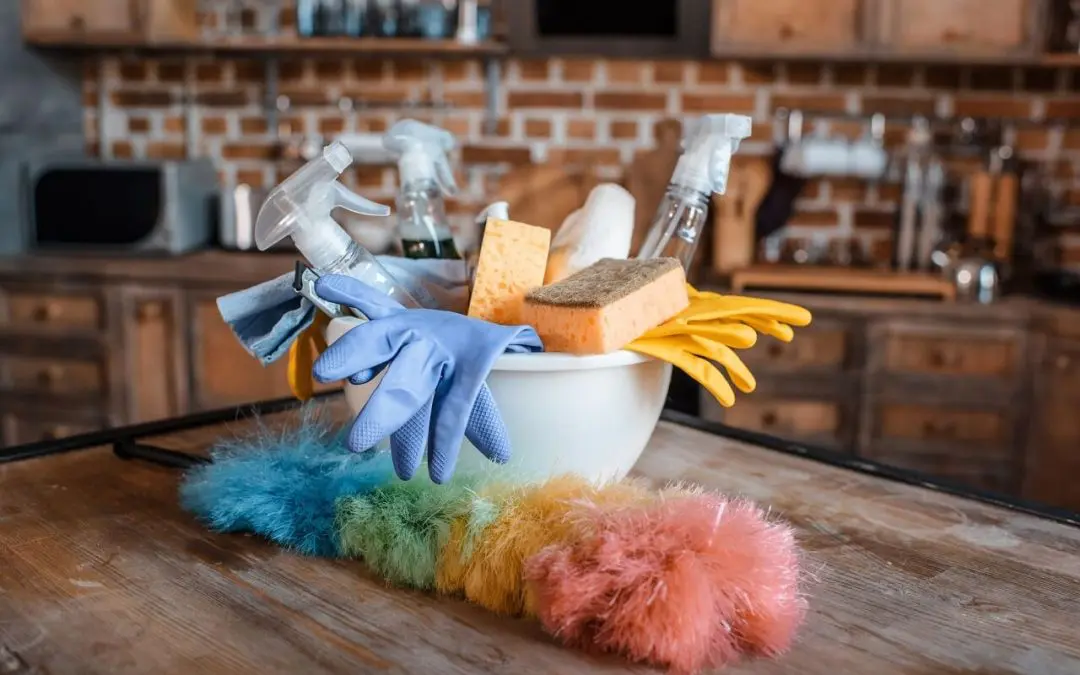
Every day, we interact with a vast array of substances designed to make our lives easier, cleaner, and more efficient. While these products provide undeniable benefits, from disinfecting surfaces to preserving building materials, many people are beginning to wonder about the long-term cumulative impact of the various chemicals in your home. Understanding what these substances are and how they interact with your living space is the first step toward creating a balanced and healthy environment for your family.
Navigating the Science: Understanding the Chemicals in Your Home
One of the most prevalent groups of chemicals in your home is known as Volatile Organic Compounds (VOCs). These are found in a surprising variety of products, including paints, varnishes, air fresheners, and even some types of new furniture or carpeting. VOCs are unique because they off-gas at room temperature, meaning they slowly release vapors into the air long after the initial application or installation is complete. While these vapors are often harmless in small amounts, high concentrations in poorly ventilated spaces may lead to minor irritations or headaches for sensitive individuals.
In addition to building materials, the kitchen and laundry room are primary locations for the presence of active chemicals. Conventional cleaning agents frequently utilize powerful surfactants, bleaches, and synthetic fragrances to achieve a deep clean. While these are highly effective at killing bacteria and removing stubborn stains, they also introduce a variety of residues into the air and onto surfaces. Furthermore, many homeowners unknowingly track outside contaminants into their living spaces on the soles of their shoes. Pesticides, lawn fertilizers, and industrial dust from the street easily settle into carpet fibers, where they persist for much longer than they would in an outdoor environment.
The Importance of Effective Ventilation
Modern homes are built to be incredibly airtight for energy efficiency, which is great for your utility bills but could lead to a buildup of indoor pollutants if you are not careful. To improve your environment, you should make it a habit to open windows whenever the weather permits to facilitate a cross-breeze. This simple act of ventilation helps to flush out airborne particles and brings in fresh, oxygen-rich air. Additionally, using the exhaust fans in your kitchen and bathroom is essential for removing steam and cooking byproducts that can contribute to humidity and chemical accumulation.
Transitioning to Greener Cleaning Methods
Moving toward a more mindful household does not mean sacrificing cleanliness or efficiency. Many of the most effective cleaning solutions are simple, traditional substances that have been used for generations before modern synthetic alternatives became the norm. Distilled white vinegar is a powerful natural acid that cuts through grease, removes mineral deposits from faucets, and even acts as a mild disinfectant. When combined with baking soda, it creates a foaming reaction that is excellent for scouring sinks and clearing slow-moving drains. These natural options are often much more cost-effective and eliminate the need for the complex mixtures found in commercial products. Choosing unscented products is another excellent way to reduce the chemical load in your air, as fragrance is often a catch-all term for a mixture of numerous undisclosed compounds.
Storage and Safety for Chemicals in Your Home
Even when you use conventional products, the way you store and handle them plays a massive role in your overall safety. Proper management of the chemicals in your home begins with keeping products in their original containers with the labels intact. This ensures that you always have access to usage instructions and emergency first aid information in case of an accident. It is also vital to store these items in a cool, dry place away from direct sunlight, as heat could cause containers to degrade or lead to the buildup of pressure inside bottles. For homeowners with children or pets, storing cleaning supplies and automotive fluids in high, locked cabinets is a non-negotiable safety standard that prevents accidental ingestion or contact.
Becoming a Savvy Consumer
As you look to replenish your household supplies, becoming an informed shopper is your best defense. Look for products that carry third-party certifications such as the EPA’s Safer Choice label or similar environmental standards. These organizations verify that the ingredients used are on the safer end of the spectrum for both human health and the environment. Take the time to read the full ingredient list rather than relying on flashy marketing terms like “all-natural,” which are not always strictly regulated. By being diligent about the items you bring into your house and how you discard old products at local hazardous waste collection sites, you protect your property’s value and contribute to the well-being of your broader community.
Frequently Asked Questions (FAQs)
Are all chemicals found in the home dangerous for my family?
Most products found in the home are perfectly safe when used according to the manufacturer’s directions. By following label instructions and ensuring good ventilation, you can use modern products with complete confidence.
How do I know if a product is safe for my children and pets?
Terms like non-toxic, biodegradable, and pet-safe are good indicators, but you should also look for recognized seals of approval from environmental or health organizations.
What is the best way to get rid of the smell of new carpet or paint?
To speed up the removal of these odors, you should maximize ventilation by opening windows and using fans for several days.
Jones & Cooper Home Inspections provides home inspections to customers in the Metro Louisville area. Contact us to request our services.