
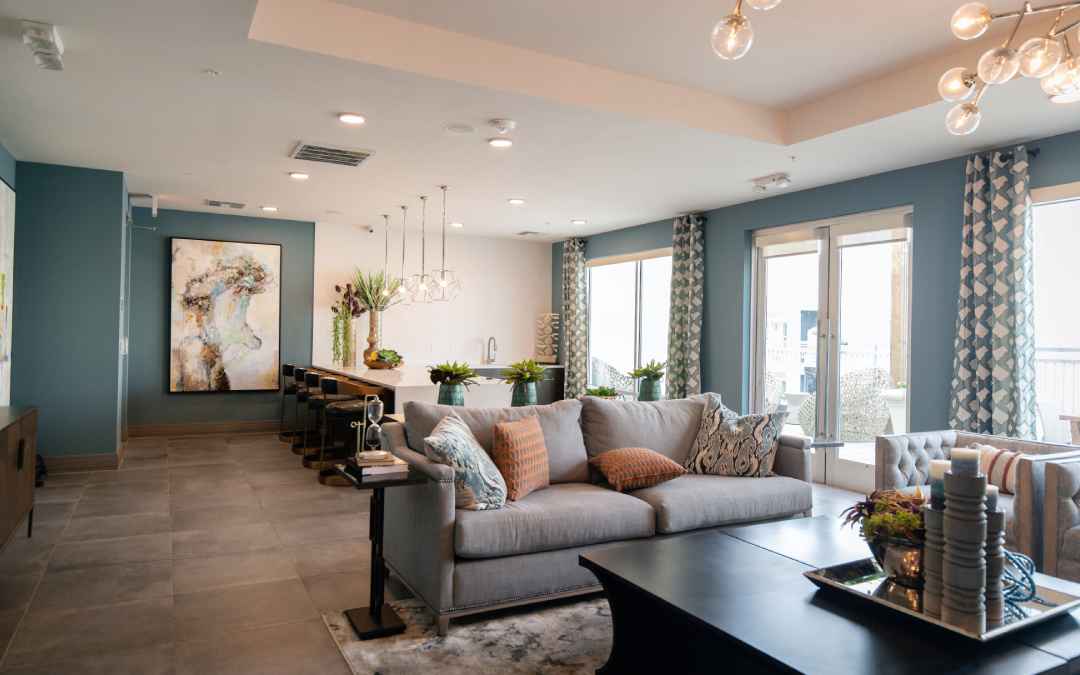
Creating comfortable living spaces is about more than choosing attractive furniture or following the latest design trends. It’s about designing a home that feels inviting, functional, and perfectly suited to everyday life. Whether refreshing a single room or rethinking an entire home, focusing on comfort can dramatically improve how a space looks and feels. The good news is that comfortable living spaces don’t require a massive renovation budget, just thoughtful planning and intentional choices.
The Foundation of Comfortable Living Spaces
Every successful design begins with understanding how a space is used. Comfortable living spaces prioritize function first and aesthetics second. That means considering how people move through a room, where natural light falls, and how furniture supports daily activities. Start with the layout. Furniture should encourage conversation and relaxation rather than block pathways or crowd walls. In living rooms, position seating to create a natural focal point, whether that’s a fireplace, a large window, or a media center. Bedrooms benefit from clear walking paths and a balanced layout that promotes rest.
Lighting also plays a crucial role. Layered lighting, combining overhead fixtures, table lamps, and accent lighting, creates warmth and flexibility. Soft, warm-toned bulbs will instantly make a room feel cozier. Color choices influence comfort as well. Neutral palettes with warm undertones provide a calming backdrop, while soft blues, greens, and earthy tones evoke tranquility. Texture adds depth and softness, so incorporate plush rugs, woven throws, and upholstered seating to enhance the overall feel.
Designing Spaces with Smart Furniture Choices
Furniture selection could make or break comfortable living spaces. Prioritize pieces that offer both support and durability. A sofa may look stylish in a showroom, but if it lacks proper cushioning or depth, it won’t invite long evenings of relaxation. When choosing seating, consider scale carefully. Oversized furniture may overwhelm smaller rooms, while pieces that are too small may feel disconnected. Measure before purchasing to guarantee proportion and balance.
Materials matter as well. Performance fabrics are an excellent choice for households with pets or children, while natural materials like cotton and linen add breathability and softness. Investing in quality mattresses and ergonomic chairs also enhances comfort in bedrooms and home offices. Storage is another critical component. Clutter disrupts comfort. Built-in shelves, storage ottomans, and multifunctional furniture help maintain order without sacrificing style.
The Importance of Lighting and Airflow
Light and air have a powerful impact on mood and well-being. Comfortable living spaces maximize natural light whenever possible. Keep window treatments light and airy, and use mirrors strategically to reflect sunlight throughout the room. Ventilation and air quality also contribute to a sense of ease. Ceiling fans, operable windows, and well-maintained HVAC systems help regulate temperature and improve airflow. Adding indoor plants not only enhances décor but also contributes to a fresher environment. Layering lighting ensures flexibility throughout the day. Bright task lighting supports productivity, while dimmable fixtures create ambiance in the evening. Consider installing dimmer switches to easily adjust the mood of a room.
Personal Touches That Elevate Comfortable Living Spaces
A home should reflect the personalities of those who live there. Personal touches transform well-designed rooms into comfortable living spaces that feel authentic and welcoming. Artwork, family photos, and meaningful décor pieces add character. Bookshelves styled with favorite reads and treasured objects bring warmth and individuality. Even small details, like decorative pillows or curated coffee tables, influence how inviting a space feels. Scent is another often-overlooked element. Candles, diffusers, or fresh flowers subtly enhance comfort. Seasonal updates, such as cozy blankets in winter or lighter textiles in summer, keep spaces feeling fresh and aligned with the time of year.
Maintaining Comfortable Living Spaces Over Time
Comfortable living spaces require ongoing attention and care. Regular cleaning, furniture rotation, and occasional décor updates keep rooms feeling fresh and functional. Pay attention to wear and tear. Replacing flattened cushions, repairing scratches, or refreshing paint will revive a room without a full redesign. Reevaluating furniture placement periodically may also improve flow as needs evolve. As lifestyles change, so should living spaces. A growing family, remote work arrangements, or new hobbies may require adjustments. Staying flexible guarantees that comfort remains a priority for years to come.
Frequently Asked Questions (FAQs)
How can comfortable living spaces be created on a budget?
Focus on rearranging existing furniture to improve flow, adding affordable textiles like throw pillows and rugs, and upgrading lighting. Small changes, such as painting walls or decluttering, will have a significant impact without major expense.
What colors work best for comfortable living spaces?
Warm neutrals, soft blues, muted greens, and earthy tones tend to create calming environments. The best choice depends on natural light and personal preference, but softer hues generally promote relaxation.
How important is lighting in comfortable living spaces?
Lighting is essential. Layered lighting creates warmth, flexibility, and ambiance. Combining natural light with adjustable artificial lighting ensures rooms remain functional and inviting throughout the day.
Can modern design still feel comfortable?
Absolutely. Modern design can support comfortable living spaces by emphasizing clean lines, functional layouts, and quality materials. Adding soft textures and warm lighting prevents minimalist interiors from feeling cold.
How often should living spaces be updated?
Minor updates can be made seasonally, while larger changes typically happen every few years. Regular maintenance and small décor refreshes help maintain comfort without requiring major renovations.
Jones & Cooper Home Inspections provides home inspections to customers in the Metro Louisville area. Contact us to request our services.