
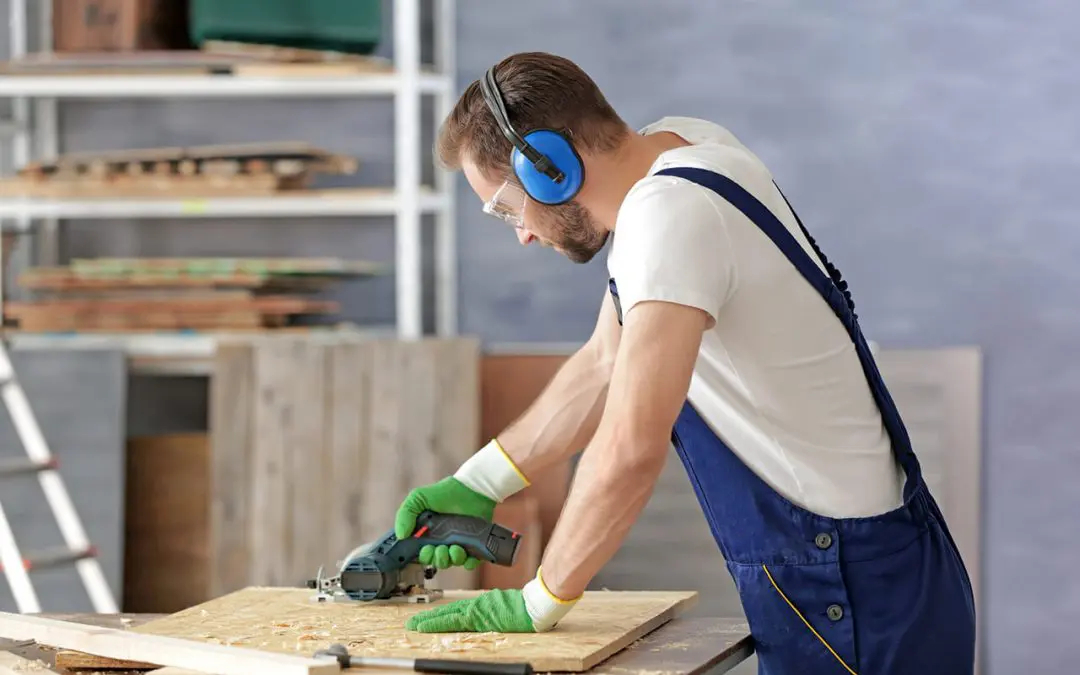
Mistakes in DIY projects are inevitable; every experienced home improver has a story about a project that taught them something the hard way. What separates the homeowners who become genuinely capable at DIY from those who abandon it after a frustrating experience is usually not skill or aptitude. It’s the foundational habits around planning, preparation, and knowing when a project is beyond the appropriate scope.
The Most Common Mistakes in DIY Projects and How to Avoid Them
The single most consistent mistake in DIY projects is underestimation of how long a project will take, how much it will cost, and how complex the execution actually is once underway. A homeowner who watches a fifteen-minute tutorial and concludes the project will take an afternoon frequently discovers that the tutorial condensed hours of work into highlight footage, that their home’s specific conditions require adaptations the tutorial didn’t address, and that tools assumed to be optional turn out to be necessary. The practical correction is adding a significant buffer to any estimate: doubling the time estimate for unfamiliar projects and adding 20 percent to the material budget for waste and error. A project that takes longer than expected but finishes correctly is not a failure. A project rushed to meet an unrealistic timeline and done incorrectly typically costs more to fix than the original project cost to start.
Skipping Preparation and Proper Planning
Preparation mistakes in DIY projects are the ones that feel like impatience in the moment and regret in retrospect. Painting without cleaning and priming the surface first produces a finish that peels within months. Installing tile without verifying the substrate is flat and moisture-resistant produces tiles that crack. Cutting lumber without measuring twice produces pieces that don’t fit. The preparation principle that addresses the largest share of mistakes in DIY projects is treating setup as part of the project rather than a delay before it. Cleaning, priming, taping, measuring, and dry-fitting determine whether the execution succeeds, skipping them to reach visible progress faster is the pattern that produces the most visible failures.
Consequential Mistakes in DIY projects
Among the most consequential mistakes are those involving systems where an error creates safety risk rather than just a cosmetic problem. Electrical work beyond a simple fixture swap, gas line modifications, and structural changes require licensed professionals, not because the steps are always beyond a motivated homeowner’s capability, but because the consequences of an error range from property damage to serious injury. Permits exist for the same reason: work on these systems is inspected because the stakes of incorrect installation are higher than the inconvenience of the permitting process. The clearest signal of a serious mistake in DIY projects is when the work involves cutting into gas lines, modifying load-bearing structural elements, or adding new electrical circuits without a permit. Understanding where that line is before starting keeps DIY projects in the category of satisfying accomplishment rather than expensive liability.
Frequently Asked Questions (FAQs)
How do I know if a DIY project is within my skill level?
The most reliable indicator is whether you can describe each step of the project in detail before beginning, including what tools are required, likely complications, and what you’ll do if something goes wrong. Mistakes in DIY projects most often happen when a homeowner proceeds without a clear picture of the full scope.
What are the most important tools to have before starting a DIY project?
Having the right tools before starting rather than improvising is one of the most consistent ways to avoid mistakes in DIY projects. Across most home improvement work, the most frequently needed are a quality drill and bit set, a circular or miter saw, a level, measuring tape, a utility knife, and appropriate safety equipment. Renting specialty tools for one-time projects rather than buying them provides the right equipment without the investment.
Should I always get a permit for DIY work?
For work touching structural, electrical, plumbing, or HVAC systems, the permit requirement exists because those systems affect occupant safety and future buyers’ ability to insure and finance the home. Unpermitted work in these categories is one of the most expensive mistakes in DIY projects when discovered during a home sale inspection or insurance claim. Checking with the local building department before starting any significant project eliminates the uncertainty.
What’s the best way to fix a DIY mistake that’s already been made?
Accurately diagnosing what went wrong rather than covering it with another layer of work is the first step. For mistakes in DIY projects involving safety systems, professional assessment before attempting correction is the appropriate path. For cosmetic mistakes, researching the specific correction technique prevents the common pattern of compounding one mistake with another.
How do I avoid buying the wrong materials for a DIY project?
Bring accurate measurements, photographs, and a description of the project to the hardware store rather than relying on memory. Purchasing slightly more than the calculated need accounts for waste without requiring a return trip. Confirming products are rated for the specific application prevents the category of mistakes where the right product for a different application fails under the actual conditions.
Jones & Cooper Home Inspections provides home inspections to customers in the Metro Louisville area. Contact us to request our services.